The Complete Guide to Attack Path Analysis in Active Directory Using MITRE ATT&CK
May 7, 2025 · 2 min read
Active Directory (AD) is a goldmine for attackers — it holds the keys to every user, system, and resource in the network. Once attackers compromise an endpoint, their goal is rarely just the machine — it’s domain dominance. To get there, they follow attack paths: hidden relationships, over-permissions, and misconfigurations that allow lateral movement and privilege escalation.
Unfortunately, most organizations lack visibility into these attack paths. They don’t know:
- Which user can escalate to Domain Admin
- How misconfigured ACLs enable persistence
- Where Kerberoasting or DCSync or other attacks can be executed
- How exposed trusts allow cross-domain escalation
This blind spot is exactly what attackers exploit — often using the MITRE ATT&CK framework as their blueprint.
The Reality of Modern AD Attacks
In 2024, a global logistics company was hit with ransomware after attackers compromised a single helpdesk account. From there, they escalated privileges, leveraging unmonitored ACLs, group memberships, and unconstrained delegation. The result: full domain control in under 5 hours.
This wasn’t a one-off.
- 93% of successful AD attacks in 2024 used lateral movement and privilege escalation(Mandiant Incident Trends Report)
- Attackers used 17 MITRE ATT&CK techniques against Active Directory, including T1003 (Credential Dumping) and T1550 (Use of Alternate Authentication Material) (NSA/FBI Cybersecurity Advisory)
- Most organizations have 10+ attack paths from regular users to domain-level access, usually unknown to security teams (SpecterOps Red Team Survey)
The business impact?
- Rapid domain takeover
- Full encryption of critical services
- Irreversible damage to brand and trust
- Regulatory violations and incident disclosure
Risk Mitigation: Gaining Visibility and Closing the Paths
Attack path analysis isn’t a luxury anymore — it’s a required layer of AD defense. Here’s how mature organizations tackle it:
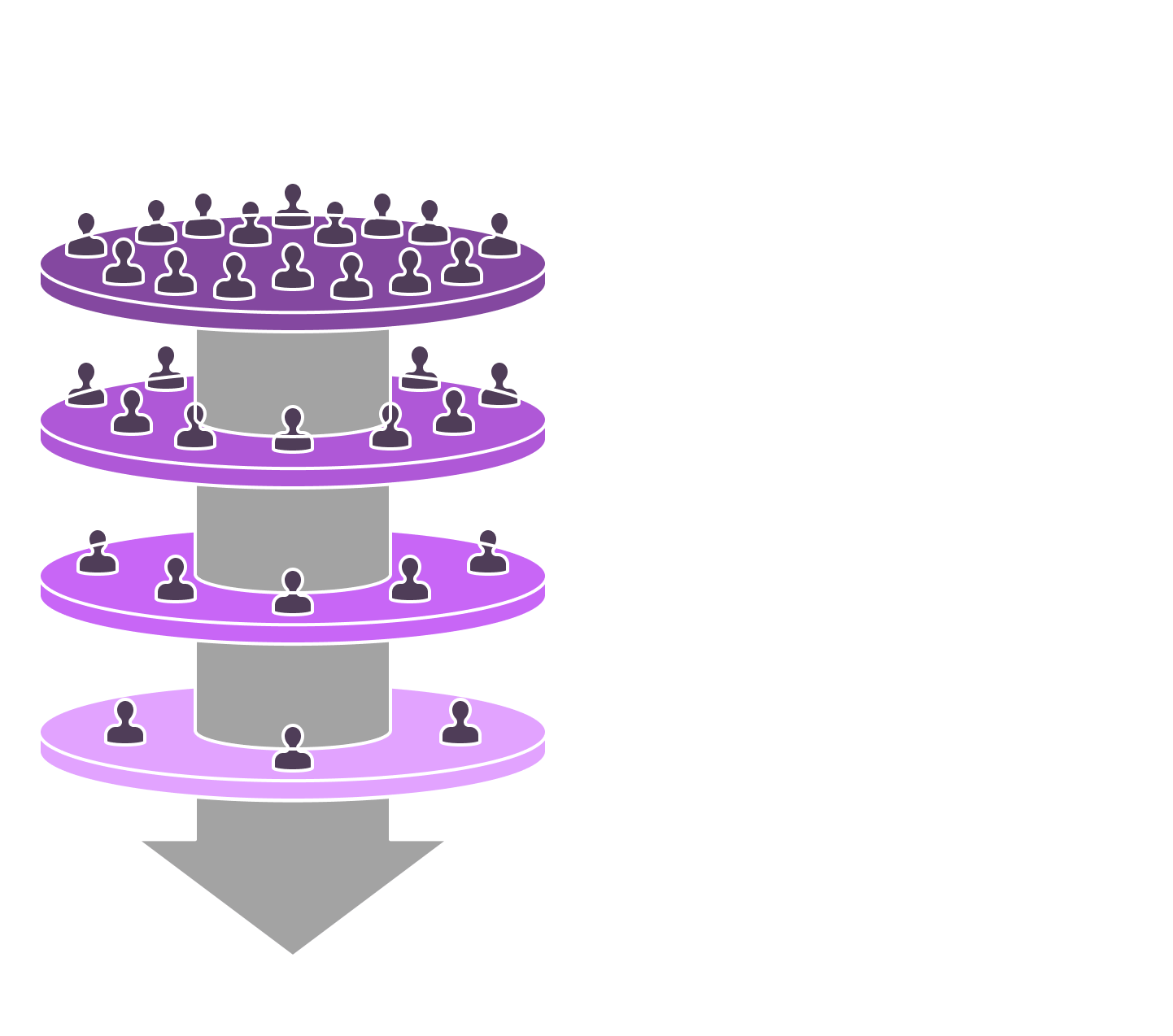
- Map Privileged Relationships Use tools that reveal group memberships, ACL inheritance, and delegation rights across users and objects.
- Leverage the MITRE ATT&CK Framework Track techniques like Credential Dumping (T1003), Kerberoasting (T1558.003), Domain Trust Abuse (T1484.002) and other TTPs.
- Tier Admin Access Break the habit of flat privilege. Isolate Domain Admin accounts and prevent users from “climbing the ladder.”
- Continuous Audit and Cleanup Remove stale or unnecessary group memberships, fix misconfigured ACLs, and monitor for changes.
- Simulate and Resolve Regularly simulate lateral movement paths and proactively resolve them before attackers can use them.
But performing this level of analysis and remediation manually is painstaking, inconsistent, and expensive.
How Our SaaS Platform Automates Attack Path Defense
Dela IEM offers end-to-end attack path analysis and remediation — based on MITRE ATT&CK and optimized for speed and automation:
Built-in Attack Path Visualization
Instantly generate AD attack graphs — no separate setup or manual data collection required.
Auto-Remediation of Privilege Escalation Paths
Automatically fix dangerous ACLs, group nesting issues, and delegation flaws with one click.
MITRE ATT&CK-Aligned Detection
Every finding is mapped to ATT&CK techniques, so your team can correlate with SIEM or threat hunting programs.
Identity Intelligence Integration
Combine path analysis with leaked account data to identify high-risk users already exposed to attackers.
Risk Score & Reporting
Prioritize which paths need fixing first and demonstrate measurable reduction in privilege escalation risk.
Attackers don’t guess their way into your network — they map it. So should you.
With automated attack path analysis, you don’t just find the problem — you fix it before it becomes a breach.